
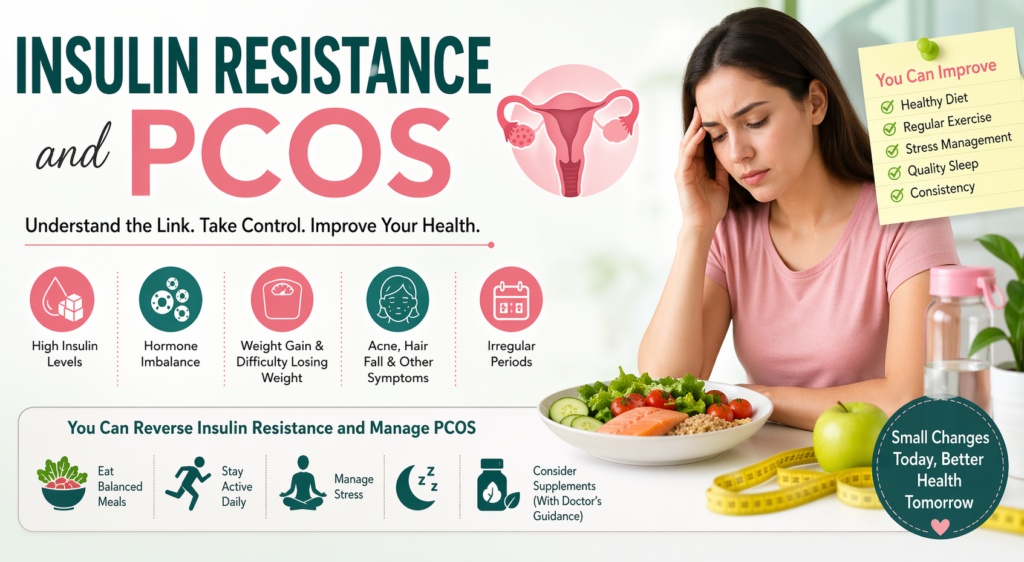
If you have PCOS, you have probably heard the phrase “insulin resistance” more times than you can count. But what does it actually mean for your body? And why does it feel so hard to lose weight, control cravings, or get a regular period?
Here is the truth. Most women with PCOS have some form of insulin resistance PCOS. The good news? It is not permanent. You can improve it. And when you do, many of your PCOS symptoms—from acne to irregular cycles—can get better too.
In this guide, we will walk through insulin resistance PCOS symptoms, what causes the imbalance, which foods help, which foods hurt, and how to reverse it naturally. No fluff. Just practical, science-backed steps.
Let us begin.
What Is Insulin Resistance?
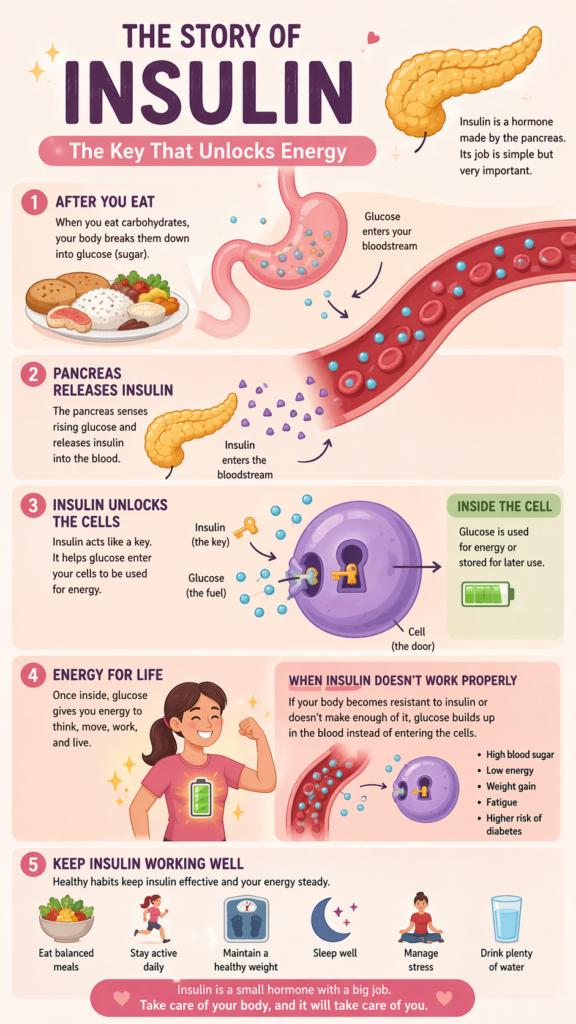
Imagine insulin as a key. After you eat a meal, the food is broken down into sugar (glucose), which enters into the bloodstream. This causes your blood sugar levels to rise. Your body releases insulin from the pancreas that carries glucose from the bloodstream into your body cells, where it is used to produce energy or stored for later. This keeps your blood sugar stable. In a healthy body, this process is smooth and balanced.
But with insulin resistance, your cells stop responding properly to insulin. So glucose cannot enter easily into the cells. As a result, your blood sugar stays higher, and your pancreas tries to fix the problem by producing even more insulin over time. This leads to excess insulin in the blood called “hyperinsulinemia,” which can disturb other hormones in the body and contribute to issues like weight gain, fatigue, cravings, and, in many women, PCOS symptoms
The Link Between Insulin Resistance and PCOS
So why are these two conditions so closely connected? About 70 to 80 percent of women with PCOS have insulin resistance PCOS, even lean women.
Here is what happens inside your body:
High insulin levels tell your ovaries to produce more testosterone and other androgens. This disrupts normal ovulation. It also stops your ovaries from releasing an egg each month. The result? Irregular periods, acne, and excess hair growth.
At the same time, high insulin makes it easier to store belly fat and harder to burn it. This creates a frustrating cycle. More insulin resistance leads to more weight gain. And more weight gain makes insulin resistance worse.
The good news is that breaking this cycle is possible. And you do not need extreme measures.
Symptoms of Insulin Resistance in PCOS
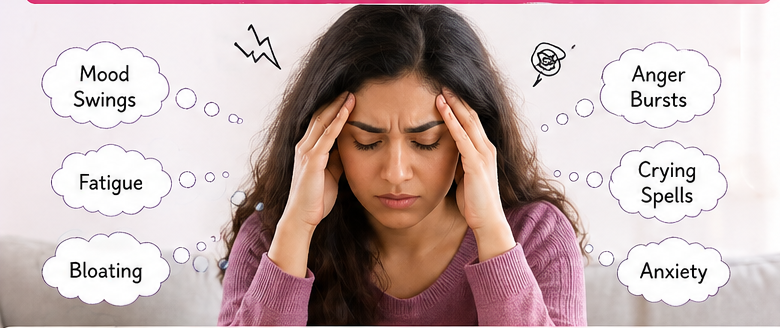
Many women have insulin resistance symptoms PCOS for years without realizing it. Doctors may miss them because blood sugar levels often look normal early on.
Here are the most common signs to watch for:
Physical symptoms:
- Belly fat that does not budge (even with diet and exercise)
- Dark, velvety patches of skin on the neck, armpits, or groin (acanthosis nigricans)
- Skin tags on the neck or underarms
- Acne that flares up around the jawline
- Oily skin and stubborn hair thinning
Energy and hunger symptoms:
- Intense sugar or carb cravings after meals
- Feeling sleepy or foggy-brained after eating
- Needing coffee or sugar to get through the afternoon
- Waking up tired even after 8 hours of sleep
Cycle and fertility symptoms:
- Irregular or missing periods
- Difficulty getting pregnant
- Ovulation that is delayed or absent
If several of these feel familiar, there is a strong chance insulin resistance PCOS is affecting your hormones
Serious Health Risks of Untreated Insulin Resistance and PCOS
Left unmanaged, insulin resistance does not just worsen PCOS symptoms. It can lead to more serious health problems over time.
Prediabetes and type 2 diabetes—High insulin levels eventually exhaust your pancreas. Blood sugar rises, and diabetes develops.
Metabolic syndrome – A cluster of issues including high blood pressure, high triglycerides, and low HDL (good cholesterol).
Non-alcoholic fatty liver disease – Excess insulin promotes fat storage directly in your liver.
Infertility – Chronic anovulation makes pregnancy difficult without intervention.
Increased inflammation – This can worsen joint pain, headaches, and skin conditions.
Higher heart disease risk – Even in young women, insulin resistance raises long-term cardiovascular risk.
The goal is not to scare you. It is to show why acting now matters. Reversing insulin resistance is one of the most powerful things you can do for your long-term health.
How to Treat Insulin Resistance PCOS
Before we go into natural approaches, let us be clear. Some women benefit from medical support. And there is no shame in that.
Common doctor-guided options include:
Metformin – A medication that lowers glucose production in the liver and improves insulin sensitivity. Many women with PCOS take it to help regulate cycles and support weight management.
Myo-inositol – This is actually a supplement that acts like a natural insulin sensitizer. Some studies show it works as well as metformin for PCOS, but with fewer side effects.
Birth control pills – While they do not fix insulin resistance directly, they can help regulate cycles and lower androgens while you work on lifestyle changes.
Always speak with your healthcare provider before starting or stopping any treatment.
Best Diet for Insulin Resistance PCOS
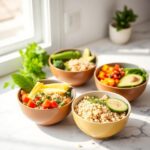
Diet is the most powerful lever for insulin resistance PCOS changes. But you do not need a complicated meal plan. Focus on three things: protein, fiber, and healthy fats at every meal.
Build your plate like this:
- Protein (eggs, chicken, fish, tofu, lentils, Greek yogurt) – Slows down sugar absorption and keeps you full.
- Fiber (leafy greens, broccoli, berries, chia seeds, beans) – Feeds good gut bacteria and lowers blood sugar spikes.
- Healthy fats (avocado, olive oil, nuts, seeds, coconut oil) – Supports hormone production and reduces inflammation.
- Low glycemic carbs (quinoa, sweet potato, oats, lentils, berries) – Carbs that raise blood sugar slowly.
A sample meal: Grilled chicken over mixed greens with quinoa, avocado, and olive oil dressing. Your blood sugar stays steady. Your insulin stays lower.
Foods to Avoid With Insulin Resistance PCOS
Some foods send your blood sugar and insulin on a roller coaster. Avoiding them does not mean being perfect. But reducing them makes a big difference.
Try to reduce or avoid:
- Sugary drinks (soda, sweet tea, juice, frappuccinos) – Liquid sugar hits the bloodstream fast and spikes insulin the most.
- White bread, white rice, white pasta – Refined grains act almost like sugar in your body.
- Pastries, cookies, cakes, doughnuts – Combine refined flour with sugar and unhealthy fats.
- Sweetened yogurts and cereals – Often hiding more sugar than a candy bar.
- Fried foods and fast food – Promote inflammation and weight gain around the belly.
You do not have to cut everything forever. But start noticing which foods trigger your cravings and fatigue. Those are the ones to reduce first.
The Role of Fructose in Insulin Resistance
Not all sugars are equal. Fructose is worth understanding because it affects your liver differently than glucose.
Whole fruit is not the problem. When you eat an apple or handful of berries, you also get fiber, water, and plant nutrients. This slows absorption and protects your liver.
The real issue is added fructose found in:
- Soda and sweetened drinks (usually high fructose corn syrup)
- Fruit juice (no fiber, so fructose hits the liver fast)
- Packaged snacks, candy, and sweetened sauces
High intakes of added fructose can cause fat buildup in the liver. This worsens insulin resistance PCOS over time.
So keep eating whole fruits. Just drop the fruit juice and sugary drinks.
Best Exercise for PCOS and Insulin Resistance
Exercise is like a natural insulin sensitizer. Even one session makes your cells more responsive to insulin for the next 24 to 48 hours.
The best exercise forinsulin resistance pcos combines different types. Variety works better than doing the same thing every day.
Walking – Never underestimate a 15- to 20-minute walk after meals. It lowers post-meal blood sugar spikes significantly.
Strength training – Lifting weights builds muscle. More muscle means a bigger sink for blood sugar. Aim for 2 to 3 sessions per week.
High-intensity interval training (HIIT) – Short bursts of intense exercise followed by rest. Very effective for improving insulin sensitivity quickly.
Yoga – Lowers cortisol (stress hormone). High cortisol worsens insulin resistance. Plus yoga helps with body awareness and cravings.
A realistic weekly plan could look like: 3 strength sessions, 2 walks after dinner, 1 yoga class. Start small. Consistency beats intensity.
Best Supplements and Vitamins for Insulin Resistance PCOS
Supplements do not replace good food and exercise. But the right ones can give you an extra push. Always ask your doctor before adding new supplements.
Myo-inositol – The most researched supplement for insulin resistance PCOS. Helps lower insulin, restore ovulation, and improve egg quality. Typical dose: 2 to 4 grams per day.
Vitamin D – Most women with PCOS have low vitamin D. Correcting it may improve insulin sensitivity by up to 60 percent. Get your levels checked first.
Magnesium – Helps insulin do its job. Low magnesium is common in women with PCOS. Food sources: spinach, pumpkin seeds, almonds. Or take a glycinate or citrate form.
Omega-3 fatty acids (fish oil) – Lowers inflammation and reduces triglycerides. Can also help with high cholesterol.
Chromium – Helps insulin work better at the cell level. Small studies show it may reduce cravings.
Again, speak with a healthcare professional before starting supplements, especially if you take other medications.
Daily Routine to Manage Insulin Resistance PCOS
Big changes are hard. Small habits stick. Here is a simple daily routine to help manage insulin resistance PCOS without overwhelm.
Morning:
- Eat a protein-rich breakfast (Greek yogurt, eggs, or a protein smoothie)
- Avoid sugary coffee drinks
- Take vitamin D and omega-3 with food
Afternoon:
- Walk for 10 minutes after lunch
- Drink water instead of soda or sweet tea
- Choose a salad with protein or leftovers over a sandwich on white bread
Evening:
- Strength train or walk for 20 minutes
- Eat dinner before 8 pm if possible
- Have a small protein snack (handful of nuts) if hungry before bed
Before sleep:
- Magnesium glycinate (helps sleep and insulin sensitivity)
- No phone for 30 minutes before bed (sleep quality matters for blood sugar)
Do not aim for all of this at once. Pick two habits. Master them for two weeks. Then add two more.
Final Thoughts
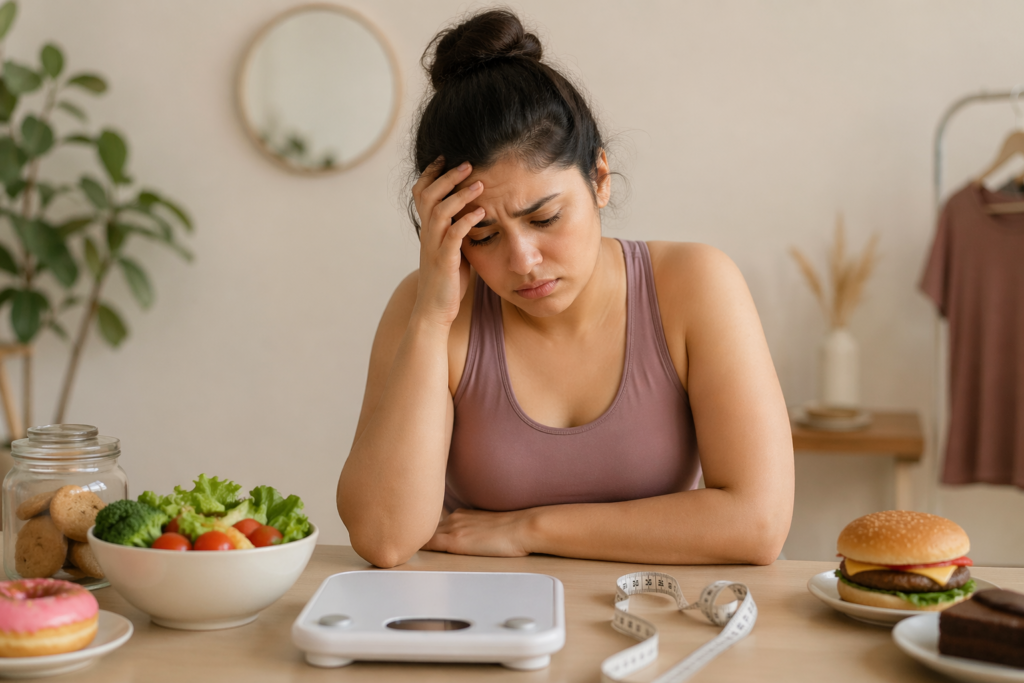
Living with insulin resistance PCOS can feel exhausting. You may have tried low-calorie diets that failed. Or felt blamed for weight that would not move.
Please hear this. It is not your fault.
Insulin resistance creates a powerful biological drive to store fat and crave carbs. Fighting it without the right tools is like swimming against a current. But when you start eating for stable blood sugar, moving your body consistently, and supporting your cells with the right nutrients, the current begins to shift.
You do not need to reverse everything in a month. You just need to start. One meal. One walk. One better choice today.
And over time, those small choices add up to regular cycles, stable energy, fewer cravings, and a body that finally feels like your own again.
Can You Reverse Insulin Resistance With PCOS?
Yes. Many women significantly improve—and sometimes fully reverse—insulin resistance PCOS with consistent lifestyle changes.
The key word here is improve. This is not a quick fix. Your body took time to develop insulin resistance. It needs time to heal.
But here is what real women experience after 3 to 6 months of the right changes:
Fewer sugar cravings
More energy throughout the day
Regular periods returning
Easier weight loss
Clearer skin
Lower fasting insulin levels on blood work
The goal is not perfection. It is progress. And small daily choices add up fast.
Can PCOS improve after fixing insulin resistance?
Yes, significantly. Many women see more regular periods, reduced acne, less hair growth, and easier weight loss when they improve insulin sensitivity. Some women even regain ovulation naturally without medication.
What is the fastest way to lower insulin resistance naturally?
The fastest short-term strategy is a low-glycemic meal followed by a 15-minute walk. Over weeks, consistent strength training, reducing added sugar, increasing protein and fiber, and getting good sleep produce the biggest long-term changes.
Can lean women with PCOS have insulin resistance?
Yes. About 20 to 30 percent of lean women with PCOS still have significant insulin resistance. Symptoms like fatigue, brain fog, sugar cravings, and irregular periods can occur even at a normal body weight.
Is walking good for PCOS insulin resistance?
Absolutely. Walking for 10 to 20 minutes after a meal lowers the blood sugar spike by up to 30 percent. It is one of the most underrated tools for women with PCOS.